About this journey
Min Group Size : 4 Experience the best of Japan on this exciting journey! Begin in Tokyo with visits to Meiji Shrine, Odaiba, Asakusa, and the iconic Tokyo Skytree. Discover the natural beauty of Mt. Fuji and Hakone with Lake Ashi cruise, Ropeway, and Owakudani Valley. Travel to Osaka by bullet train and explore Kyoto & Nara highlights including Nara Park, Fushimi Inari Shrine, and Arashiyama Bamboo Grove. Continue with an Osaka Castle walking tour before concluding your unforgettable trip with a smooth airport transfer.
Best time to visit
Japan is best visited in spring (late March–early May) or autumn (October–November) — these are the two peak seasons for good reason.
Spring (late March–early May): Cherry blossom season, typically starting in southern Japan (Kyushu) in late March and moving north, reaching Tokyo/Kyoto/Osaka in late March–early April, and Hokkaido by early May. Mild, comfortable weather — but also the most crowded and expensive time to visit, with hotel prices spiking around peak bloom.
Autumn (October–November): Comfortable temperatures and vivid fall foliage (koyo), especially in Kyoto, Nikko, and Hakone. Slightly less crowded than cherry blossom season, though still popular.
Other seasons:
- Summer (June–August): Hot, humid, and June brings the rainy season (tsuyu) across most of the country. July–August also has typhoon risk, particularly in southern/coastal areas. Good for festivals (Gion Matsuri, fireworks displays) if you don’t mind the heat.
- Winter (December–February): Cold, especially in northern Japan and the Japan Alps — but this is prime season for skiing/snowboarding (Hokkaido, Nagano) and for seeing snow monkeys in Nagano. Tokyo/Osaka/Kyoto stay relatively mild with rare snow. Fewer tourists and lower prices outside New Year’s.
Dates to avoid or plan carefully around (nationwide, not just one city):
- Golden Week (late April–early May): a cluster of national holidays — heavy domestic travel, packed trains, inflated hotel rates.
- Obon (mid-August): major domestic travel period.
- New Year’s (Dec 29–Jan 3): many shops/restaurants close, trains get crowded with people traveling home.
Cancellation Policy
Tour Confirmed Date to 30 Days prior to
Travel Date
15% of Total amount of tour package
30-21 Days prior to Travel date
30% of Total amount of tour package
21-10 Days prior to travel date
40% of Total amount of tour package
10-7 Days prior to travel date
50% of Total amount of tour package
6 Days prior to travel date
100% of Total amount of tour package
Tour highlights
Itinerary
Arrive Narita/Haneda Airport and transfer to the hotel
Overnight at the Hotel
1. Shinjuku Skyscrapers (Drive By)
Marvel at Tokyo’s modern skyline as you pass through Shinjuku, home to towering skyscrapers,
business centers, and panoramic city views. It showcases Tokyo’s dynamic urban energy.
2. Meiji Shinto Shrine
Nestled in a peaceful forest, Meiji Shrine is Tokyo’s most famous Shinto shrine dedicated to
Emperor Meiji and Empress Shoken. It’s a serene spot to experience Japan’s spiritual side and
traditional architecture.
3. National Stadium (Drive By)
See Japan’s iconic National Stadium, the centerpiece of the Tokyo 2020 Olympics. Its impressive
modern design and historical significance make it a proud landmark of Japan’s sporting culture.
4. Imperial Palace Plaza
Visit the Imperial Palace Plaza, surrounded by beautiful gardens and moats. Capture stunning
photos of the Nijubashi Bridge and learn about Japan’s royal heritage.
5. Odaiba & Rainbow Bridge
Drive across the stunning Rainbow Bridge to Odaiba, Tokyo’s futuristic entertainment and shopping
district. Enjoy sea views, architecture, and photo spots of Tokyo Bay.
6. Odaiba – Free Time
Spend some leisure time exploring Odaiba’s attractions, shopping malls, and seaside promenade.
It’s perfect for relaxing, shopping, and enjoying city views.
7. Asakusa Kannon Temple & Nakamise Shopping Street (Free Time)
Explore Tokyo’s oldest temple, Senso-ji, in Asakusa and stroll down Nakamise Street filled with
traditional snacks and souvenirs. It’s a must-visit for a touch of classic Tokyo charm.
8. Tokyo Skytree Tembo Deck
End the day with breathtaking panoramic views from Tokyo Skytree’s Tembo Deck. At 450 meters
high, it offers spectacular sights of Tokyo’s skyline and Mount Fuji on clear days.
Proceed for sightseeing,
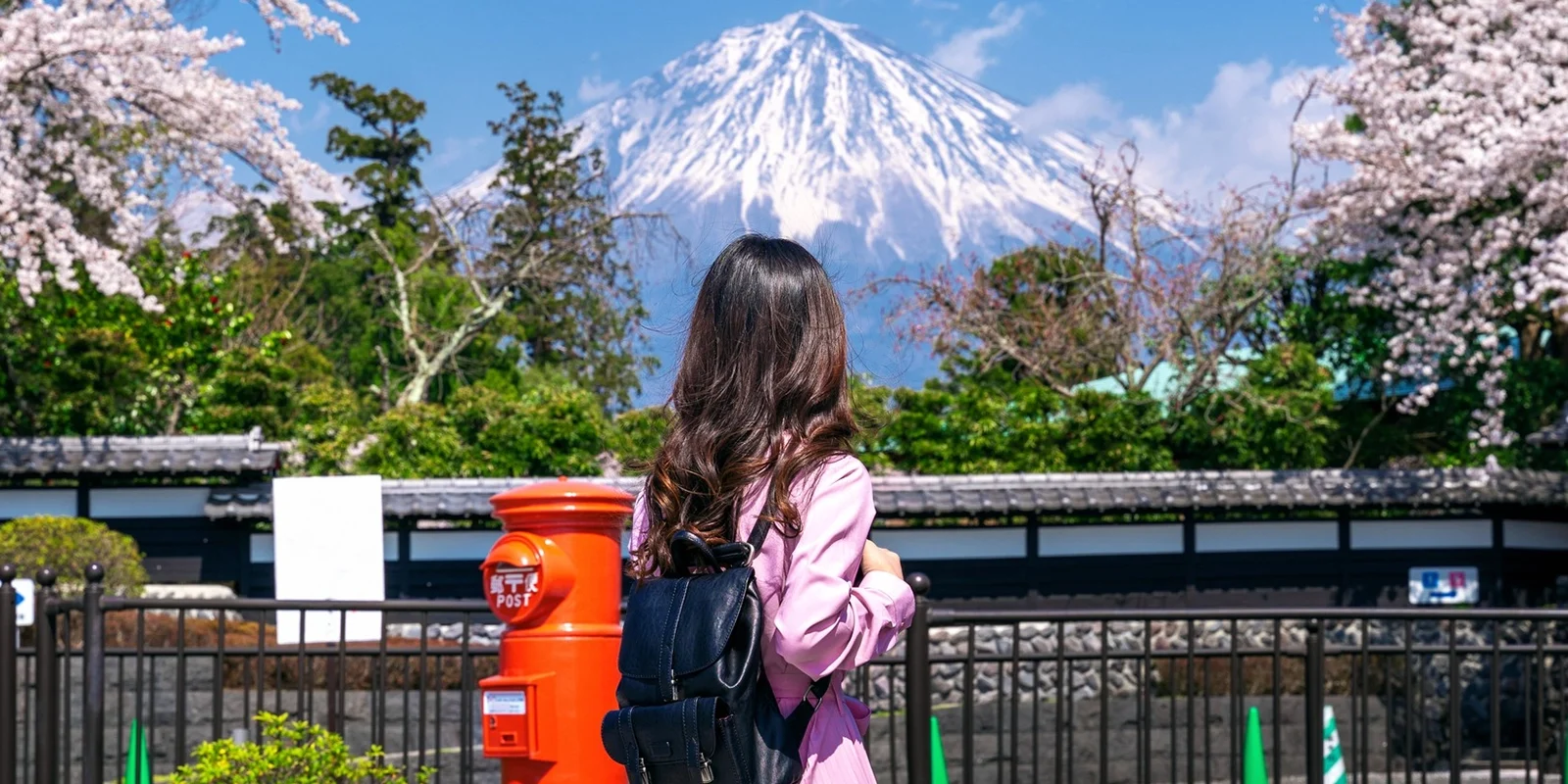
Lake Ashi & Sea Torii
Sail across the stunning Lake Ashi with Mount Fuji on the horizon and the iconic red Sea Torii rising
from the water. A perfect blend of nature, culture, and spirituality, this view is Hakone’s most
enchanting scene.
Hakone Shrine
Walk through ancient cedar forests to the sacred Hakone Shrine, famous for its grand torii gates on
the lake. Peaceful, spiritual, and picture-perfect; this shrine is a must for both culture lovers and
photographers.
Hakone Pirate Ship
Set sail on Lake Ashi aboard a grand “Pirate Ship” for a one-of-a-kind cruise. Enjoy sweeping views
of mountains, forests, and Fuji: an adventure as fun as it is scenic.
Hakone Ropeway
Glide above volcanic valleys and rolling greenery on the Hakone Ropeway. Spot Mount Fuji,
steaming sulphur vents, and even taste the famous “black eggs” of Owakudani for good luck!
Owakudani
Step into Hakone’s “Valley of Hell,” with its dramatic sulphur vents, bubbling springs, and
panoramic Fuji views. Try the local black eggs, said to add years to your life!
Mt. Fuji 5th Station (Upto 5th Station If weather permit)
Proceed to Tokyo
Overnight at Hotel
Feel the thrill of Japan’s Bullet Train as you soar across the countryside, blending speed, comfort,
and breathtaking views.
Private transfers
1. Nara Park
Meet the friendly, free-roaming deer at Nara Park, one of Japan’s most charming attractions. Enjoy
a relaxing walk through scenic grounds surrounded by temples and historic landmarks.
2. Fushimi Inari Shrine
Famous for its thousands of vibrant red torii gates, Fushimi Inari Shrine offers a beautiful mountain
trail and a glimpse into Japan’s spiritual culture. It’s one of Kyoto’s most photographed spots.
3. Arashiyama
Explore the peaceful Arashiyama district, known for its Bamboo Grove, scenic river views, and
traditional atmosphere. A perfect place to experience Kyoto’s natural beauty and timeless charm.
Experience the charm of Osaka Castle on a 3-hour guided historical walking tour. Discover the rich
legacy of Japan’s feudal era, explore the castle grounds and gardens, and learn fascinating stories
about samurai and shoguns while enjoying scenic views of this iconic landmark.
Departure day!
Free till departure
Information & Documents
What is included
Included
- Transportation Private or
- SIC
- Vehicle
- wherever
- mentioned
- Coordinator/Guide
- English speaking driver cum guide
- Hotel
- 3* hotels as mentioned or similar
- Meal
- Breakfast – 6
- Room
- Double /Twin rooms
- Entrance
- All Included as per the itinerary
- Bullet Train
- Tokyo-Osaka
Not included
- Any Gratuities
- Bank charges – YEN 4500
- Any Meals other than mentioned in itinerary
- Camera charges, water bottle or any expense of personal nature
- Pick up and drop not included for SIC tours
- Any transfer other than specified above
- Travel Insurance, Any Tips
Hotels and accommodation
- Tokyo 3*
- APA Hotel Sugamo Ekimae
- Toyoko Inn hotels
- Super Hotel Tokyo Otsuka/
- Smile Hotel Asakusa/
- Hotel Wing International Tokyo Akabane/ similar
- Osaka 3*
- Toyoko Inn hotels
- Comfort Hotel Shin-Osaka
- Hotel Links Namba/
- Hotel Hillarys/
- Smile Hotel Shin-Osaka/ similar
Tour gallery
Frequently asked questions
What is the itinerary for this 7-day Japan tour?
The tour covers arrival in Tokyo, a full-day Tokyo city tour, a same-day Hakone and Mt. Fuji excursion, a Bullet Train transfer from Tokyo to Osaka, a Kyoto & Nara day tour, an Osaka Castle historical walking tour, and a free departure day.
Which airports does the tour arrive into?
Arrival is at either Narita or Haneda Airport, followed by a private transfer to the hotel.
What is included on the Tokyo city tour (Day 2)?
The full-day Tokyo tour (on a seat-in-coach/SIC basis) includes a drive-by of Shinjuku's skyscrapers, Meiji Shrine, a drive-by of the National Stadium, the Imperial Palace Plaza, Odaiba and the Rainbow Bridge with free time, Asakusa Kannon Temple and Nakamise Shopping Street, and ends with panoramic views from the Tokyo Skytree Tembo Deck.
Does the tour include a view of Mt. Fuji?
Yes — Day 3's Hakone and Mt. Fuji tour includes Lake Ashi and the Sea Torii, Hakone Shrine, a Pirate Ship cruise, the Hakone Ropeway, Owakudani (with the famous black eggs), and a visit to Mt. Fuji 5th Station, weather permitting.
How do I travel from Tokyo to Osaka?
Day 4 includes a Bullet Train (Shinkansen) journey from Tokyo to Osaka, along with private transfers.
What's covered on the Kyoto & Nara day tour?
Day 5 includes Nara Park (home to the free-roaming deer), Fushimi Inari Shrine with its thousands of red torii gates, and Arashiyama, known for its Bamboo Grove and riverside scenery.
Is Osaka Castle included in the tour?
Yes — Day 6 features a 3-hour guided historical walking tour of Osaka Castle, covering its grounds, gardens, and samurai-era history.
What happens on the last day?
Day 7 is a free day until departure, with no scheduled activities — ideal for last-minute shopping or relaxing before your flight.
Are the tours private or group-based?
The Tokyo city tour and the Hakone/Mt. Fuji tour are noted as SIC (Seat-in-Coach), meaning they run as shared group tours; the Tokyo–Osaka transfer is listed as private.
Is Mt. Fuji 5th Station guaranteed on the itinerary?
No — access to Mt. Fuji 5th Station is weather-dependent, as noted in the itinerary.